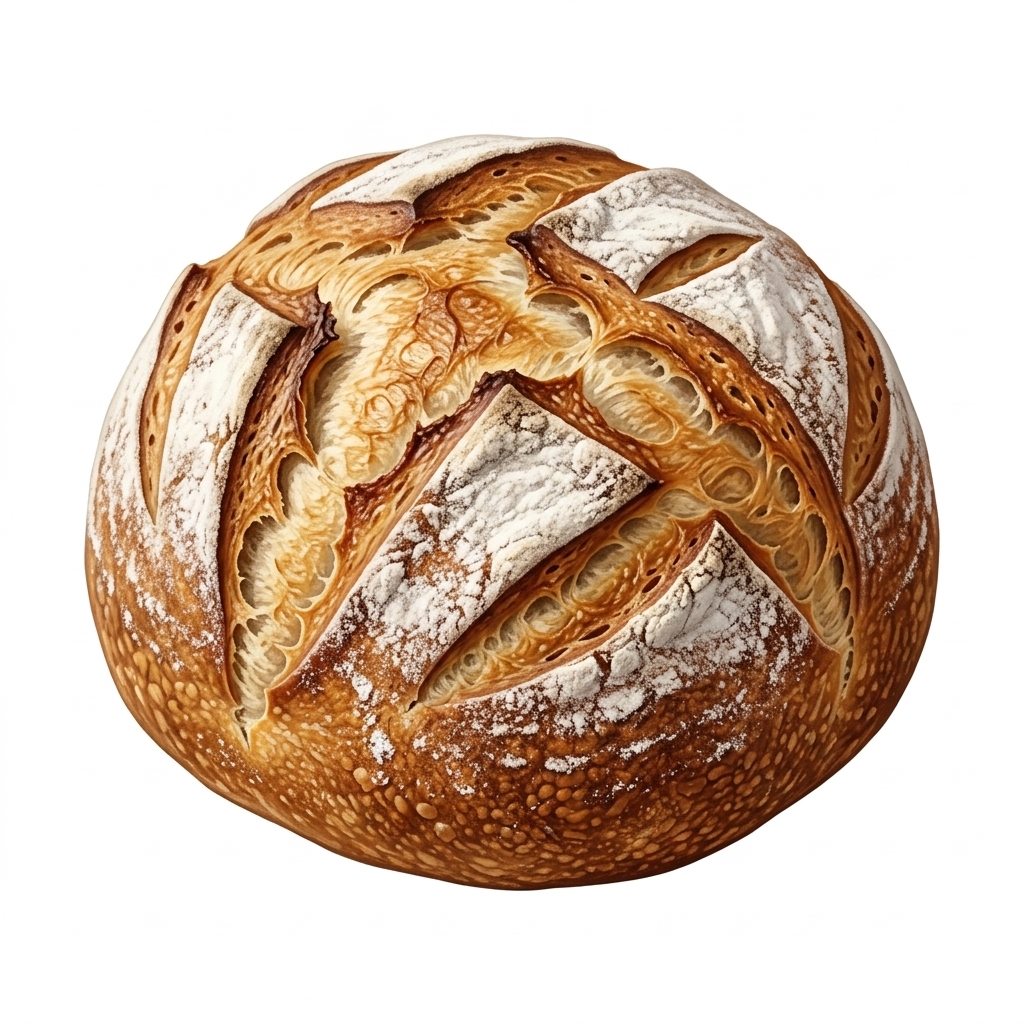
If you’ve followed my guide on making a sourdough starter, you know that keeping your starter happy and active requires regular feeding. However, this also means you’ll inevitably end up with “discard”—the portion of starter you remove before adding fresh flour and water.
It can feel incredibly wasteful to throw away perfectly good flour and water week after week. The great news? You don’t have to! Sourdough discard is packed with incredible, tangy flavor and can be the secret ingredient that elevates your everyday baking.
Why Use Sourdough Discard?
While discard doesn’t have the leavening power of a fully active, fed starter, it still provides the complex, fermented flavor we all love. Because the gluten has already been broken down by the fermentation process, adding discard to batters and doughs can also yield a beautifully tender texture.
1. Crispy Sourdough Crackers
This is arguably the easiest and most addictive way to use up your discard.
- Sourdough discard: 200g (100% hydration)
- Melted butter or olive oil: 30g
- Salt: 1/2 tsp fine sea salt
- Toppings: Flaky sea salt, dried rosemary, or Everything Bagel seasoning
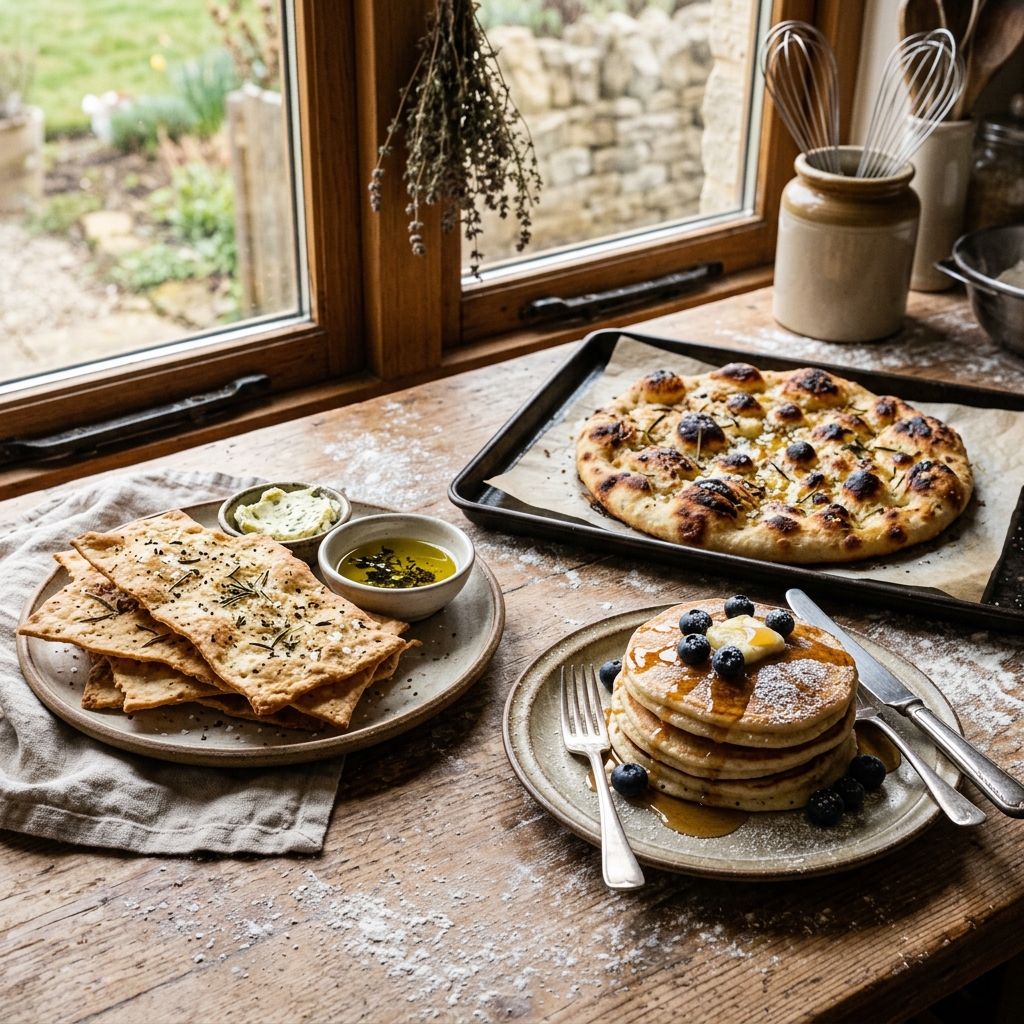
Method: Preheat your oven to 160°C Fan (180°C/350°F). Simply mix your discard with the melted butter or oil and fine salt until smooth. Spread it paper-thin onto a baking sheet lined with parchment using an offset spatula. Sprinkle with your favorite toppings. Bake for 10 minutes, remove from the oven to score into squares with a pizza cutter or dough scraper, then return to the oven for another 15-20 minutes until golden brown and crispy. Let them cool completely before snapping apart.
2. Tangy Sourdough Pancakes
Overnight sourdough pancakes are a weekend game-changer.
- Sourdough discard: 240g
- Milk: 240g
- All-purpose flour: 120g
- Eggs: 2 large
- Sugar: 30g
- Butter (melted): 30g
- Baking soda: 1 tsp
- Salt: 1/2 tsp
Method: The night before, mix your discard, milk, and flour in a large bowl. Cover and leave at room temperature overnight to develop flavors. In the morning, whisk the eggs, sugar, melted butter, baking soda, and salt into the overnight sponge. The baking soda reacts with the acidity of the sourdough, creating an incredibly light and bubbly batter. Cook on a hot buttered skillet until bubbles form on top, then flip and cook until golden.
3. Quick Flatbreads
When you need bread in a hurry, discard flatbreads are the answer.
- Sourdough discard: 150g
- Strong white bread flour: 150g
- Water: 30-40g (as needed to form a soft dough)
- Salt: 1 tsp
- Baking powder: 1 tsp
Method: Mix all the ingredients until a soft dough forms. Knead gently for a minute until smooth. Divide into 4-6 equal pieces and let them rest for 15 minutes covered. Roll each piece out thinly (about 3mm thick). Pan-fry in a hot, dry cast-iron skillet for 1-2 minutes per side until they puff up and develop charred spots. Brush generously with garlic butter as soon as they come off the heat for a delicious, pillowy side dish.
Your sourdough starter is a living thing that requires love and attention, but that doesn’t mean it has to be wasteful. The next time you feed your starter, save that discard and get creative in the kitchen!
Shop the Tools for Sourdough Baking
Sourdough baking is a labor of love, but having the right tools makes all the difference. Here is what I recommend for managing your starter and baking discard recipes:
- Glass Jar: A sturdy jar is essential for maintaining the starter that produces your discard. Get the Kilner Round clip jar I use here.
- Kitchen Scale: Precise hydration is critical when measuring out discard for pancakes and crackers. Get our recommend kitchen scales.
- Dough Scraper: Essential for handling sticky sourdough discard flatbread dough. Get your dough scraper today.
- Baking Stone: A pre-heated stone ensures perfectly baked flatbreads and crackers. Discover our recommended bread baking stone.
Disclaimer: As an affiliate, I may earn a small commission from purchases made via these links, which helps keep ‘Daz Bakes Bread’ rising!


