Reviving the Lost Art of Bread Making: Rediscovering Old Techniques to Elevate Our Bread Game
In a fast-paced, convenience-driven world, there is something undeniably magical about the process of bread making. It’s a craft that has been passed down through generations, deeply rooted in tradition and culture. However, with the rise of commercial bakeries and mass-produced bread, the art of bread making was at risk of being lost. Thankfully, a revival is underway as bakers and enthusiasts alike are rediscovering old techniques, breathing new life into the world of bread. In this blog post, we will explore the lost art of bread making and how we are rekindling the love for traditional methods to continually improve our bread game.
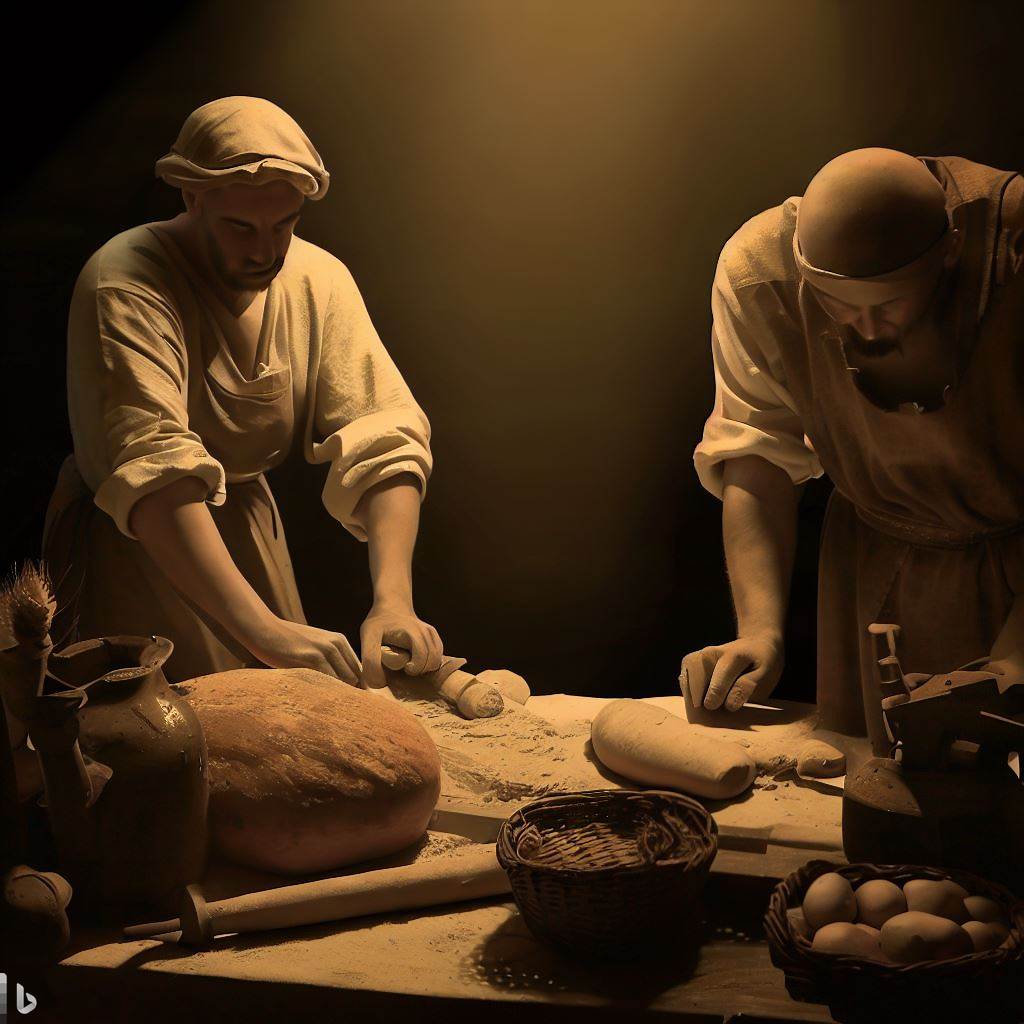
Appreciating the Roots: The Significance of Traditional Bread Making Bread making was once a skill that was passed down from generation to generation, with families and communities preserving their own unique recipes and techniques. These traditional methods involved natural leavening agents like sourdough starters, long fermentation times, and hands-on techniques that required patience, skill, and a deep understanding of the dough. The result was bread with exceptional flavour, texture, and aroma.
However, with the advent of commercial yeast and modern industrial processes, bread making became faster and more standardized. While this allowed for mass production and accessibility, it also led to the loss of the depth and complexity found in traditional breads.
The Renaissance of Old Techniques In recent years, a movement has emerged to reclaim the art of bread making. Bakers, home enthusiasts, and artisanal bakeries are embracing traditional methods to create breads that reflect the rich heritage and diversity of bread-making cultures. They are delving into old recipe books, seeking out forgotten techniques, and rekindling the magic of slow fermentation and natural leavening.
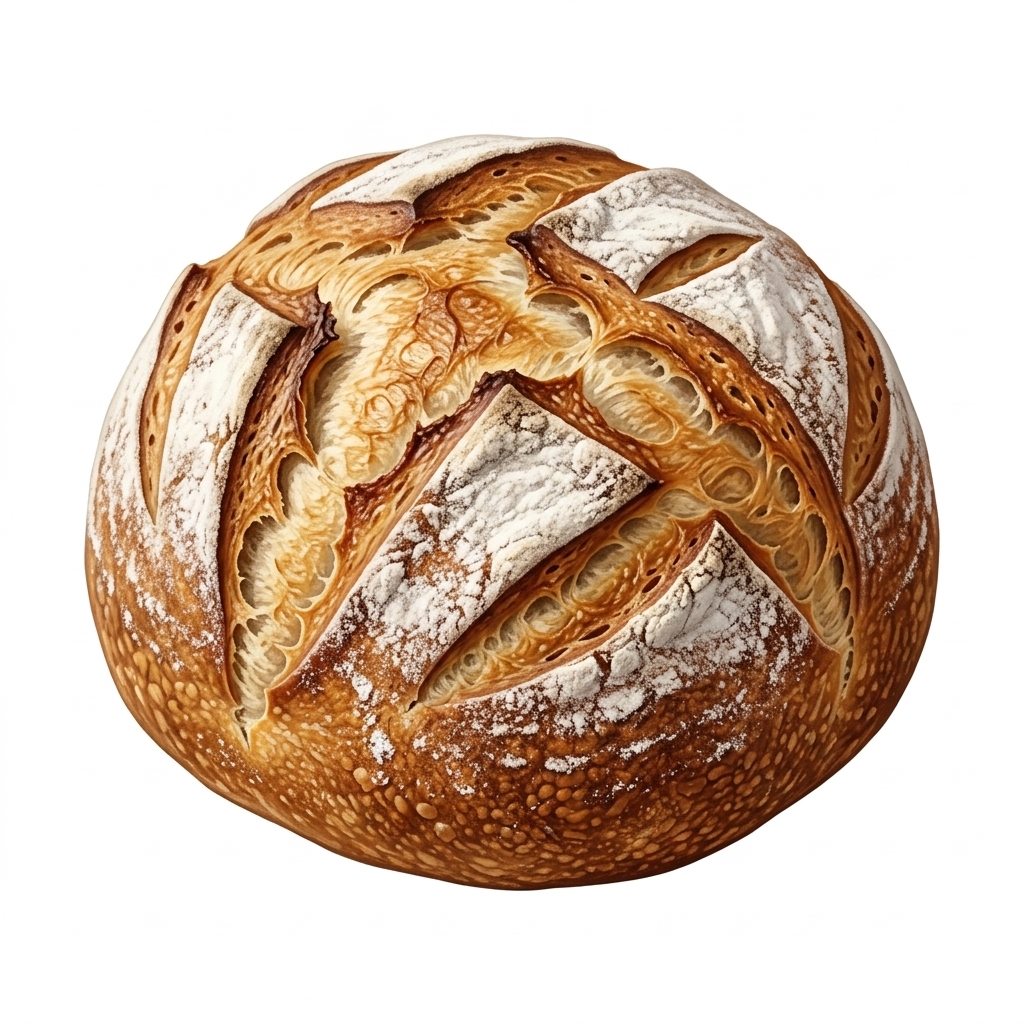
One such technique that has experienced a resurgence is sourdough bread making. Sourdough is a natural fermentation process that relies on wild yeast and lactic acid bacteria. Bakers cultivate their own sourdough starters, which require regular feeding and care. This long and slow fermentation process results in bread with a complex flavor profile, improved digestibility, and a beautiful crust.
Another technique making a comeback is the use of ancient grains. Bakers are turning to heirloom and heritage grains like spelt, einkorn, and emmer, which offer distinct flavours and nutritional benefits. By using these grains, they are not only preserving ancient traditions but also diversifying the bread-making landscape.
The Benefits of Rediscovering Old Techniques Revisiting traditional bread-making techniques offers numerous benefits. Firstly, it allows us to reconnect with our culinary heritage, preserving cultural traditions and keeping them alive for future generations. Secondly, these techniques often produce bread with superior flavor, texture, and nutritional value. The longer fermentation times in sourdough, for example, allow for better digestion and nutrient absorption.
Moreover, the process of bread making itself can be therapeutic and fulfilling. Kneading the dough, shaping the loaves, and witnessing the transformation from raw ingredients to a fragrant, golden loaf is a truly gratifying experience.
Embrace the Journey, One Loaf at a Time If you are inspired to join the movement and embark on your own bread-making journey, start by exploring traditional recipes, seeking out local bakeries that follow old techniques, or connecting with bread-making communities. Experiment with different flours, fermentation times, and shaping methods. Embrace the imperfect, as each loaf is a testament to your growth as a baker.
Remember, the lost art of bread making is not truly lost—it is waiting to be rediscovered and celebrated. By embracing old techniques and continuously learning and improving, we can elevate our bread game and preserve this timeless craft for generations to come.
So, dust off your apron, gather your ingredients, and embark on a delicious and meaningful journey into the world of traditional bread making. Your taste buds and soul will thank you.

 Daz bakes bread