
Here are some tips for working with high hydration dough:
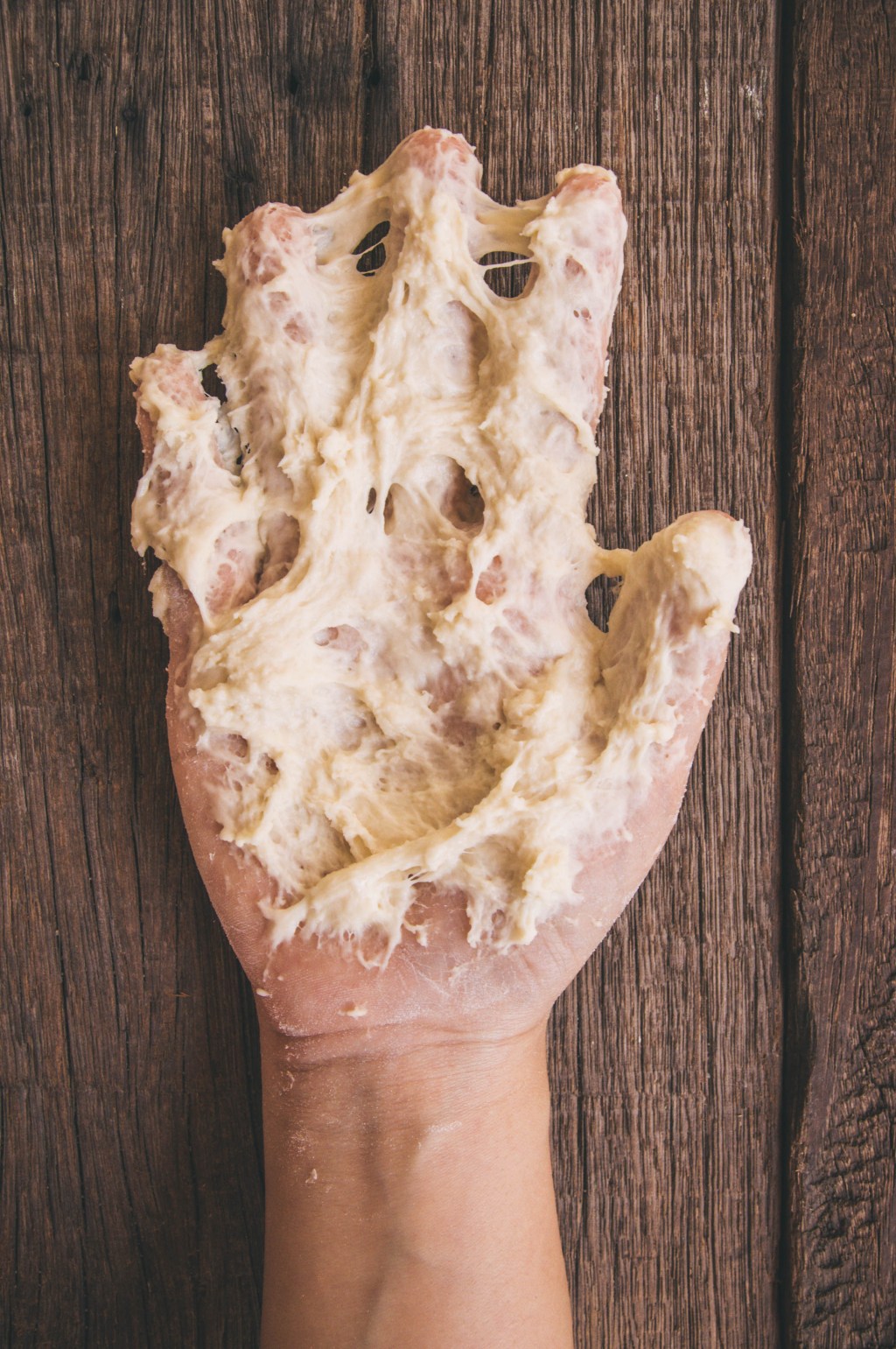
• Use wet hands: High hydration dough is very sticky, so it’s important to keep your hands wet while working with it. This will prevent the dough from sticking to your hands and making a mess.
• Use a bench scraper: A bench scraper is a handy tool for dividing the dough and shaping it. It also makes it easier to transfer the dough to a baking stone or sheet pan.
• Be patient: High hydration dough takes longer to rise than lower hydration dough, so be patient and give it the time it needs. You may need to let it rise for several hours, or even overnight.
• Keep it covered: High hydration dough needs to be kept covered while rising to prevent it from drying out. Use plastic wrap or a damp dish towel to cover the bowl or proofing basket.
• Use a light touch: High hydration dough can be delicate, so be gentle when shaping it. Use a light touch and avoid pressing down too hard, as this can deflate the dough.
• Bake on a preheated surface: High hydration dough benefits from a hot baking surface, such as a baking stone or sheet pan. Make sure to preheat the surface in the oven before placing the dough on it.
• Experiment: High hydration dough can be tricky to work with, but with practice, you’ll get the hang of it. Don’t be afraid to experiment and try different shaping techniques until you find what works best for you.
Here’s an additional tip on using autolyse when working with high hydration dough:
• Use autolyse: Autolyse is a pre-mixing technique that involves combining the flour and water and letting it rest for a period of time before adding the salt and yeast. This allows the flour to absorb the water and start developing gluten, making it easier to work with the dough later on. When working with high hydration dough, this technique can be especially helpful in improving the texture and structure of the final product. Simply mix the flour and water together, let it rest for 30 minutes to an hour, then add the salt and yeast as directed in your recipe.
No comments on Tips on working with high hydration dough
Tips on working with high hydration dough

 Daz bakes bread